
2025
-
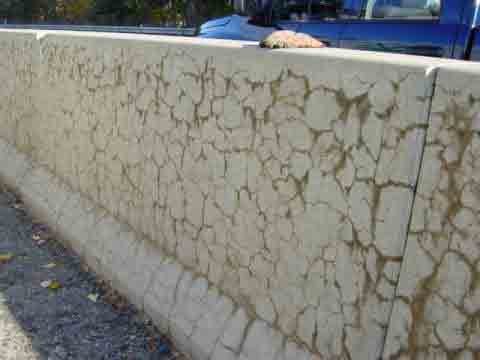
Admixture to neutralize Alkali Silica Reaction (ASR) in Concrete
By
Alkali-silica reaction (ASR) is a major durability concern in concrete structures, leading to expansion, cracking, and loss of strength. To mitigate ASR, various chemical admixtures and supplementary cementitious materials (SCMs) are used to neutralize or suppress the reaction. This section discusses the most effective admixtures, their mechanisms, and their application in concrete mix design. Lithium-Based…
-

Delayed ettringite formation in concrete
By
in EngineeringDelayed ettringite formation (DEF) is a chemical reaction that occurs in hardened concrete, leading to internal expansion and cracking. This phenomenon typically arises due to the late formation of ettringite (a calcium sulfoaluminate hydrate) after the concrete has already set and hardened. DEF is a significant durability concern, particularly in heat-cured concrete structures, as it…
-
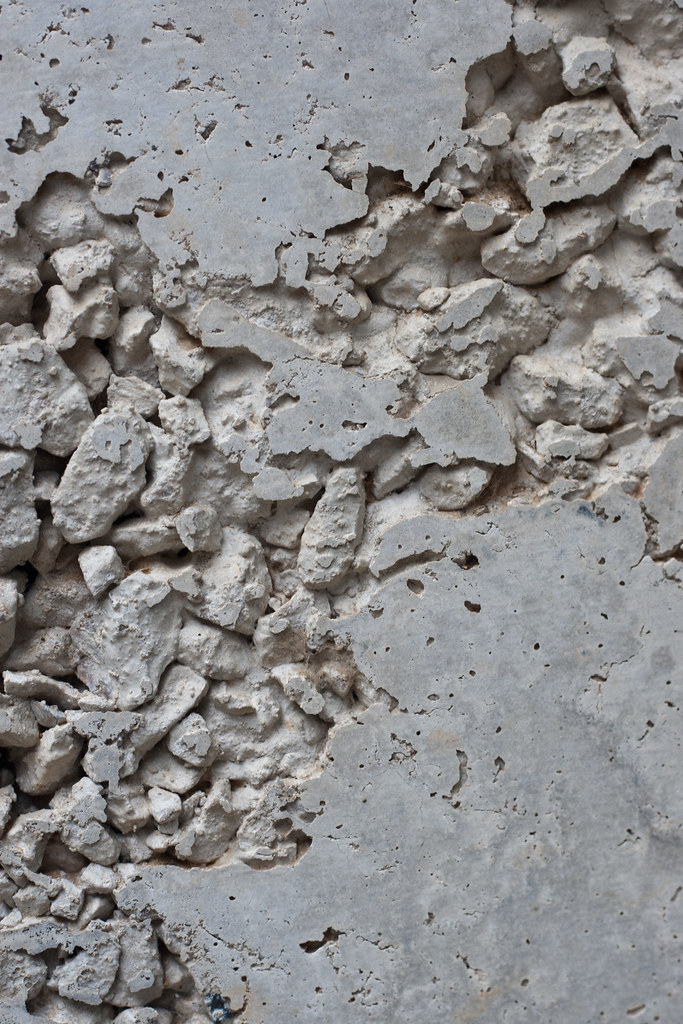
Effect of temperature on curing of concrete
By
The curing of concrete is a critical process that significantly influences its strength, durability, and long-term performance. Temperature plays a vital role in the hydration process of cement, affecting the rate of strength development and the final properties of concrete. Concrete curing is the process of maintaining adequate moisture and temperature to ensure proper hydration…
-
Testing ASR in concrete before and after construction
By
Alkali-silica reaction (ASR) is a deleterious chemical reaction that occurs between the alkaline pore solution in concrete and reactive silica present in certain aggregates. This reaction forms an expansive gel that can induce cracking, reduce durability, and compromise structural integrity (Thomas, 2011). Given its long-term implications, ASR is a critical concern in concrete design and…
-

Erosion of concrete by wind and water
By
Erosion by water The erosion of concrete caused by hard suspended particles in flowing water presents a significant challenge in the design and maintenance of hydraulic infrastructure. This degradation mechanism is particularly critical for structures such as spillways, stilling basins, and dam outlets, where high-velocity flows and sediment-laden water are common. Erosive processes are primarily…
-
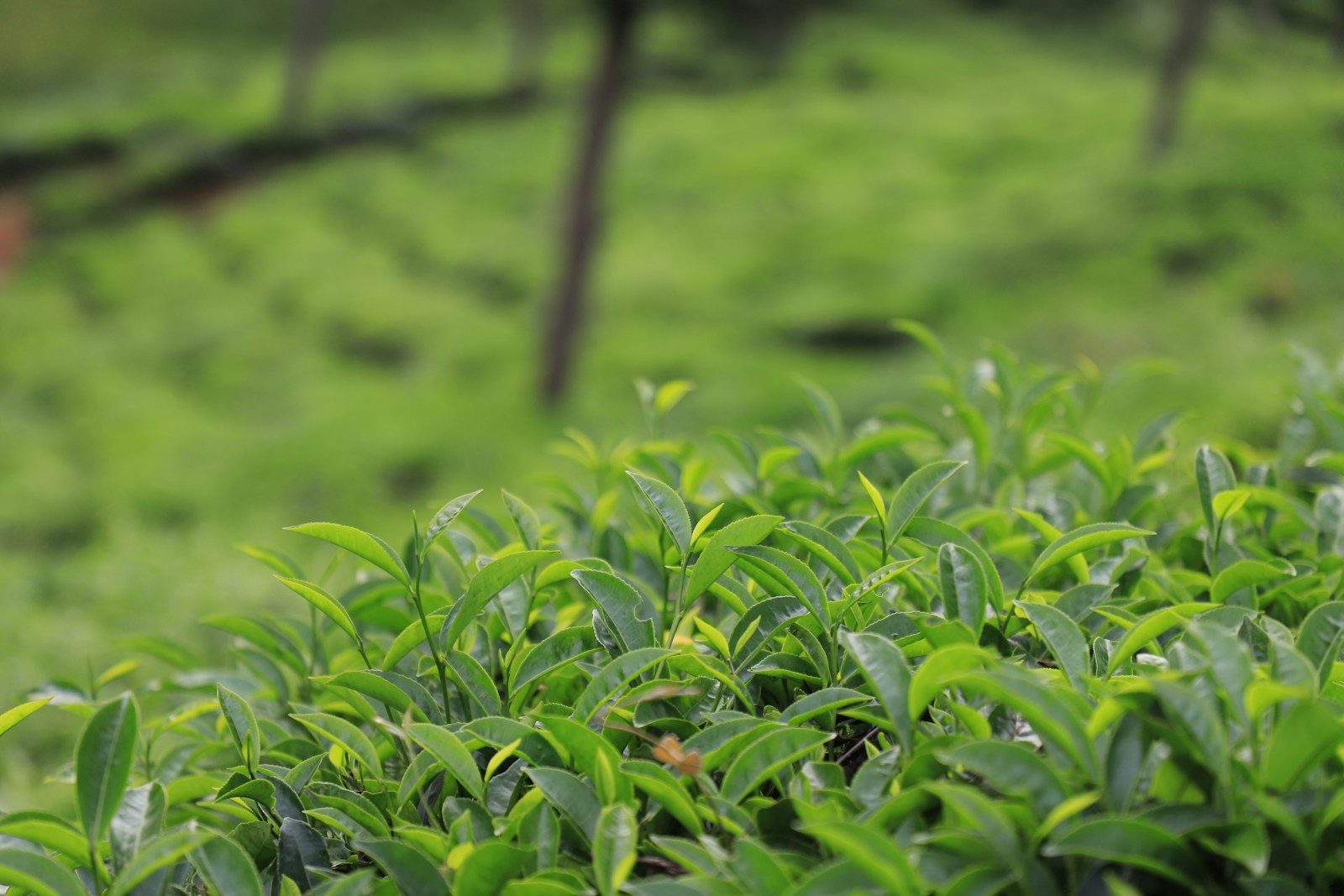
The true origin of Tea – Burma
While Chinese history books proudly claim tea drinking began over 3,000 years ago, the evidence tells a more complex—and tastier—story. In Myanmar, tea isn’t just sipped; it’s eaten, fermented, tossed into salads, and woven into daily meals in ways China never imagined. The famed lahpet—fermented tea leaves mixed with garlic, nuts, and spices—isn’t a culinary…
-

The nine principles of Hill’s criteria
By
Some correlations reflect true causation, while others do not. How can one determine whether a correlation actually implies causation? This dilemma is encountered by both academics and engineers. In a world marked by extreme caution, the butterfly effect, and highly non-linear interactions, distinguishing genuine causation from mere correlation can be exceptionally challenging. To navigate this…
-

29th moon of Uranus – S/2025 U1
Astronomers may have uncovered yet another moon orbiting Uranus. Detected earlier this year with the James Webb Space Telescope (JWST), this tiny satellite could bring the total number of Uranus’ known moons to 29. While the discovery is still undergoing peer review, preliminary findings strongly support the addition. The moon, temporarily designated S/2025 U1, is…
-
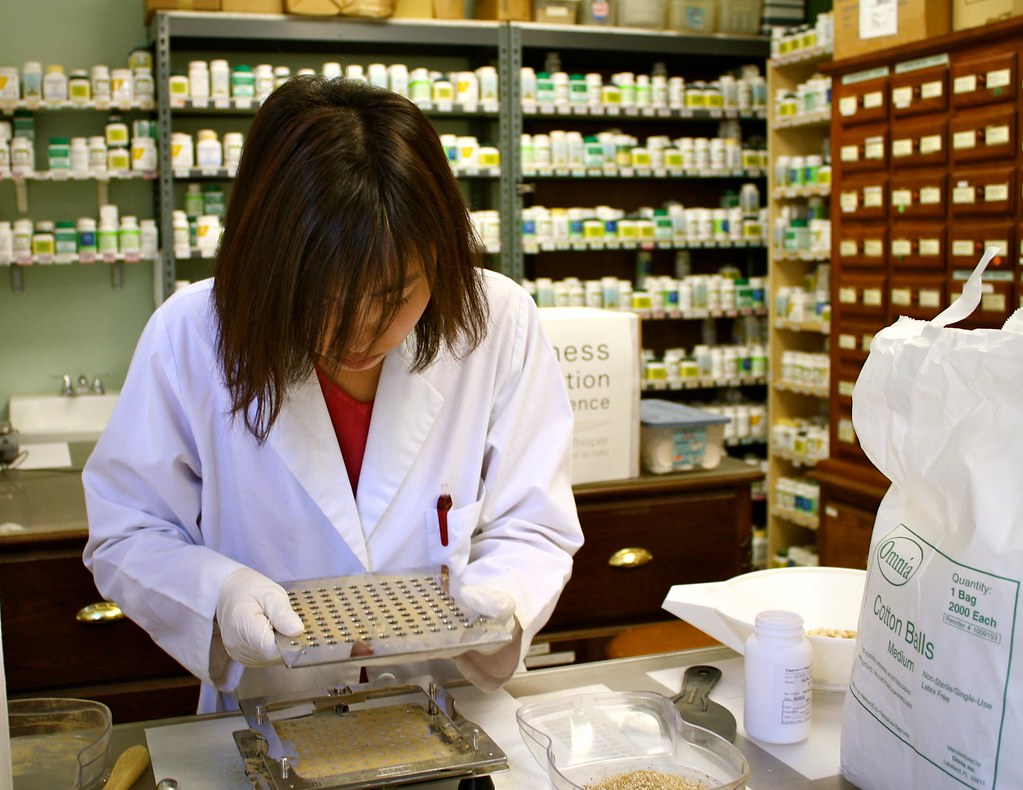
N-of-1 trials
By
N-of-1 clinical trials, also known as single-subject trials, focus on identifying the most effective treatment for individual patients by employing rigorous, data-driven methodologies. This essay explores the potential of N-of-1 trials in advancing personalized medicine, their historical context, design considerations, and future directions, emphasizing their compatibility with the broader goals of evidence-based medicine. While they…
-

Harnessing energy with artificial photosynthesis
Photosynthesis is a fundamental biochemical process by which green plants, algae, and certain bacteria convert solar energy into chemical energy. Through this process, light energy is harnessed to synthesize glucose (C₆H₁₂O₆) and oxygen (O₂) from carbon dioxide (CO₂) and water (H₂O). The overall reaction can be expressed as follows: $$6CO_2+6H_2O+light energy→C_6H_12O_6+6O_2$$ Central to this process…