
Engineering
-
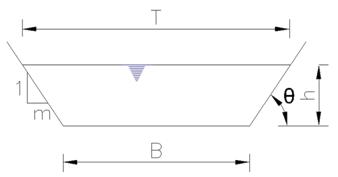
Most efficient trapezoidal section for flow propagation
By
Calculating the most efficient trapezoidal section of a canal is crucial for optimizing water flow and minimizing the construction cost. A trapezoidal canal section, characterized by its trapezoidal shape, allows for controlled flow and effective sediment transport. The most efficient trapezoidal section of canal can be calculated as follows Let, Base width of the canal=B…
-
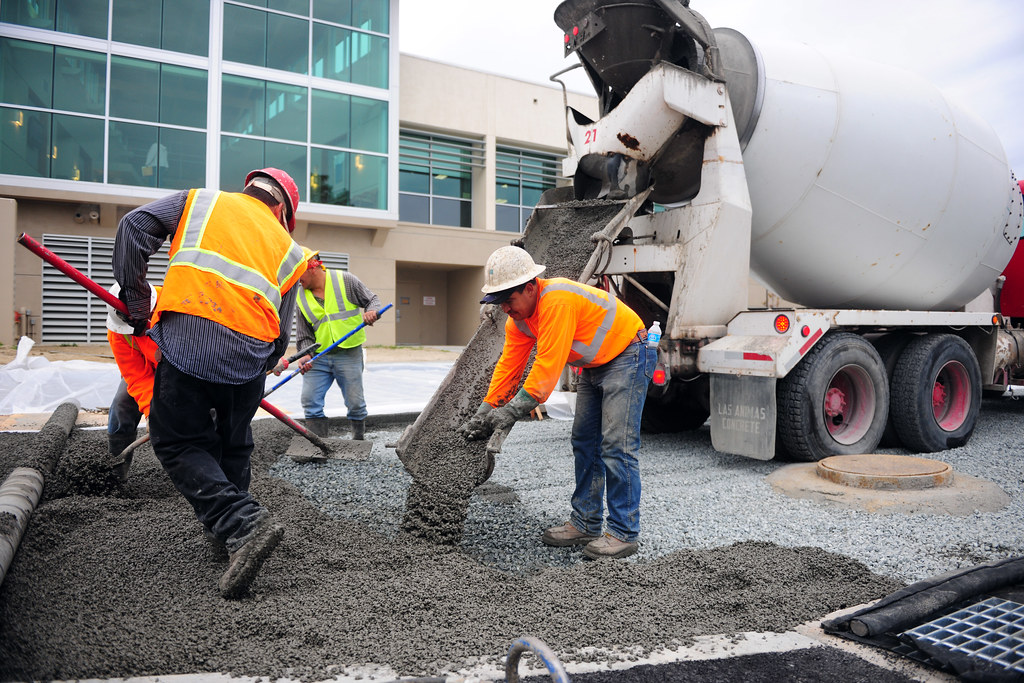
Durability of concrete in terms of water permeability
By
Permeability is one of the main indicator defining the durability of the concrete. In one hand, the permeability of the concrete can be high from the beginning of concrete life, in which case, the deterioration takes place rapidly during the service life. While in the other hand, the permeability of the concrete may gradually increase…
-

Degradation of concrete by abrasion
By
in EngineeringAbrasion of concrete is progressive loss of concrete mass due to mechanical degradation such as friction, grinding action, impact, overloading and local crushing. Vehicular movement and pedestrian traffic causes abrasion. The worst effect of abrasion is caused by vehicle with studded/chain tyres. Similarly, in industrial buildings, the concrete floors are subjected to impact load and…
-
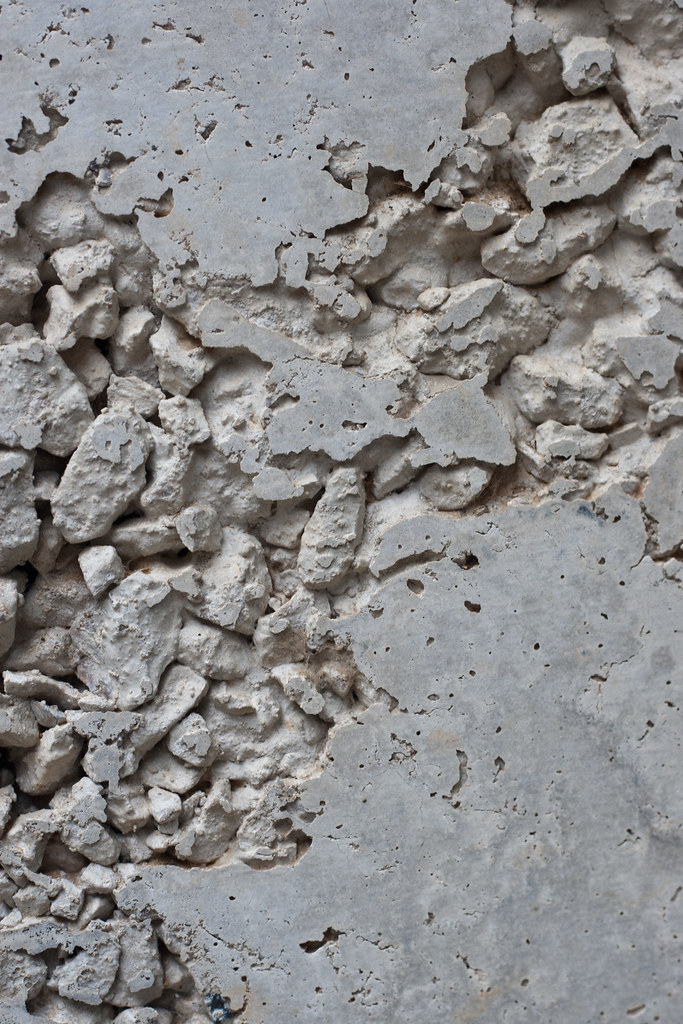
Dual effect of silica fume in concrete
By
While silica can cause deterioration through ASR, when used properly, it significantly enhances concrete's durability and strength
-

Economics of Akashi-Kaiko bridge
By
in EngineeringThe Akashi-Kaikyo Bridge, recognized as the world’s longest suspension bridge, spans a total length of 4 kilometers, with a suspended length of 2 kilometers. This engineering marvel, located in Japan, connects the two primary islands of Honshu and Shikoku. Recently, I had the opportunity to visit this bridge, and as a civil engineer, I can…
-
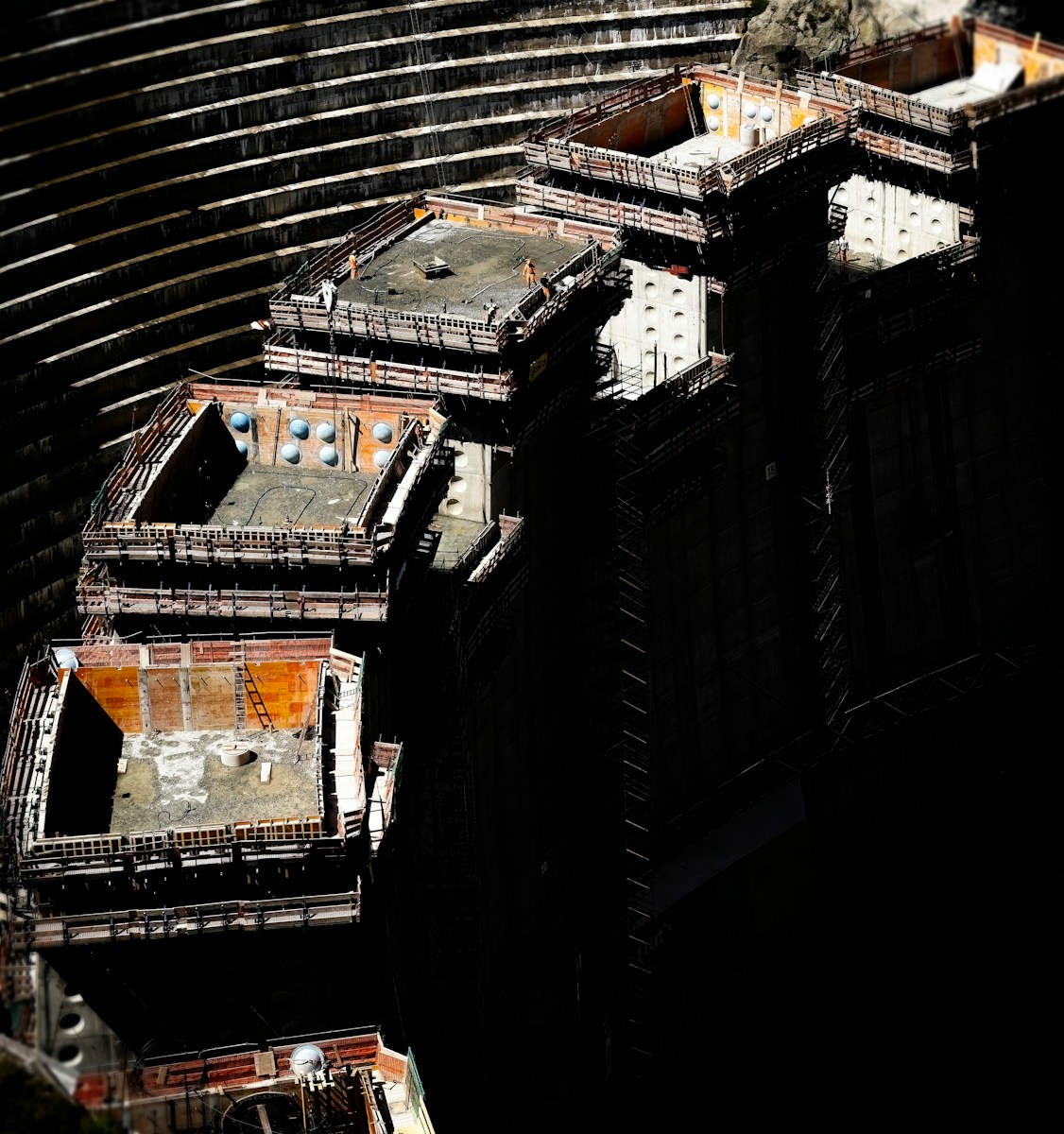
Leaching in water retaining structures
By
in EngineeringCement requires water to undergo hydration. However, after hydration is complete, excess water can dissolve the hydration products, causing leaching and weakening the structure. This issue is particularly critical for water-retaining concrete structures. For example, in dams, hydrostatic pressure and water permeability can cause the rapid leaching of these hydration products. This article examines the…
-
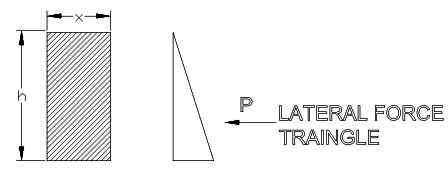
Elementary analysis for width/height ratio of retaining masonary structure
By
In masonry construction, one of the key challenges is ensuring the stability of structures against lateral forces, such as those caused by wind, water, or soil pressure. Unlike materials like steel or reinforced concrete, masonry is inherently weak in resisting tensile forces. As a result, masonry structures rely primarily on their weight to counteract these…
-

Kites in advancing science experiments
By
Kites are one of the oldest and most versatile inventions in human history, tracing their origins to ancient China around 2000 years ago. Initially a simple toy or ceremonial object, the kite evolved to play significant roles in military, meteorological, and scientific fields. Early kites were used in military applications, as tools for signalling, measuring…
-
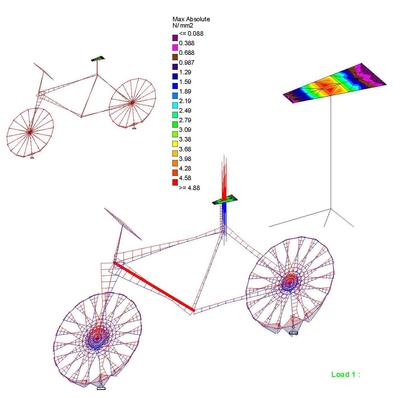
Simple analysis of stress on pelvic muscle while riding a bicycle
By
in EngineeringCycling is a popular activity that most of us have experienced at some point in our lives. However, if you’ve taken a long break from it and then hopped back on the bike, you may have noticed discomfort or even pain in the pelvic region. This is something I encountered after my recent cycling tour,…
-
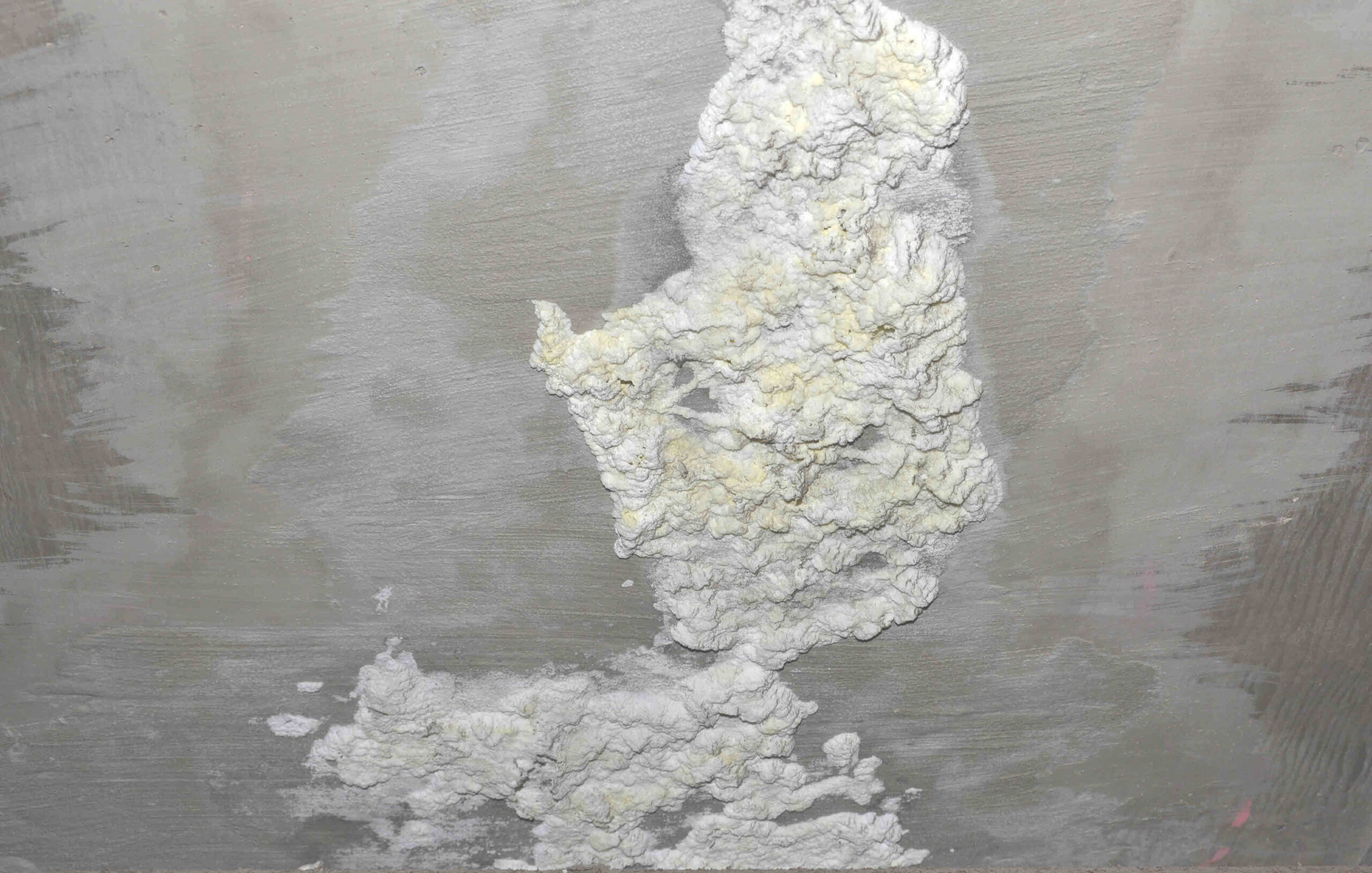
Leaching and Efflorescence of concrete
By
In structures such as dam where the flow of water via pores of concrete is high, there could be significant loss of mono-sulfate and ettringite and decalcification of calcium silicate hydrate due to leaching out of these salts to the surface and subsequently washing away. This will lead to reduction in strength of concrete and…