
Nirmal Raj Joshi
-
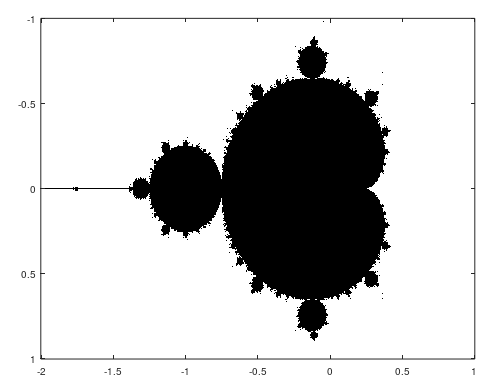
Fractals programming
By
Fractals are intricate geometric patterns that exhibit self-similarity across various scales. They are created by repeating a simple process, leading to complex structures often found in nature, such as snowflakes, coastlines, and tree branches. The concept of fractals challenges traditional notions of geometry, as they possess non-integer dimensions, meaning their detail increases infinitely with magnification.…
-
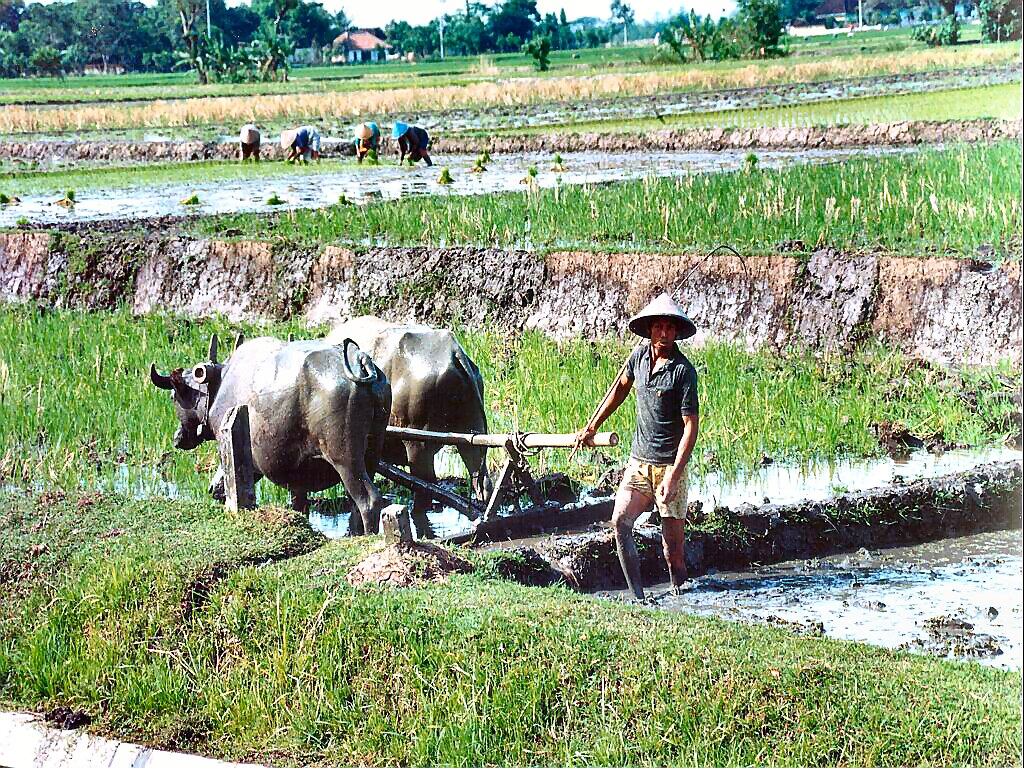
Traditional units of land measurement
By
Land measurement is a crucial aspect of agricultural practices and cultural heritage across the globe. Traditional units of land measurement vary by region, reflecting local customs, agricultural needs, and historical contexts. These units are not merely numerical values; they embody the relationship between people and the land they cultivate. China In China, the mu is…
-
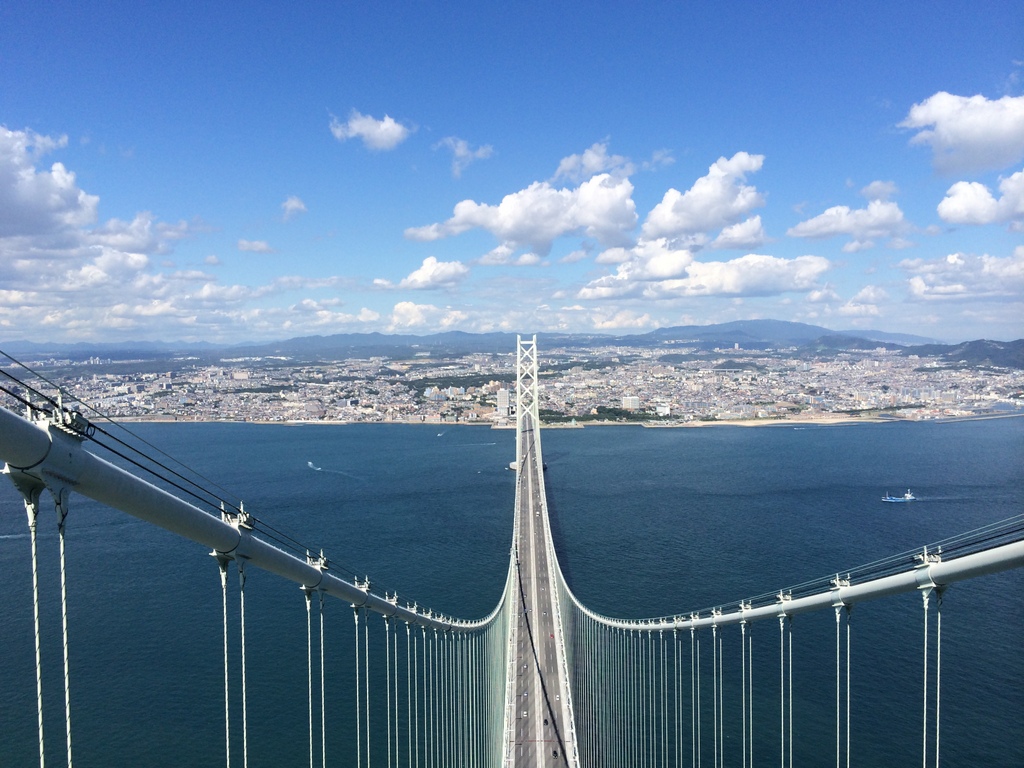
Economics of Akashi-Kaiko bridge
By
in EngineeringThe Akashi-Kaikyo Bridge, recognized as the world’s longest suspension bridge, spans a total length of 4 kilometers, with a suspended length of 2 kilometers. This engineering marvel, located in Japan, connects the two primary islands of Honshu and Shikoku. Recently, I had the opportunity to visit this bridge, and as a civil engineer, I can…
-
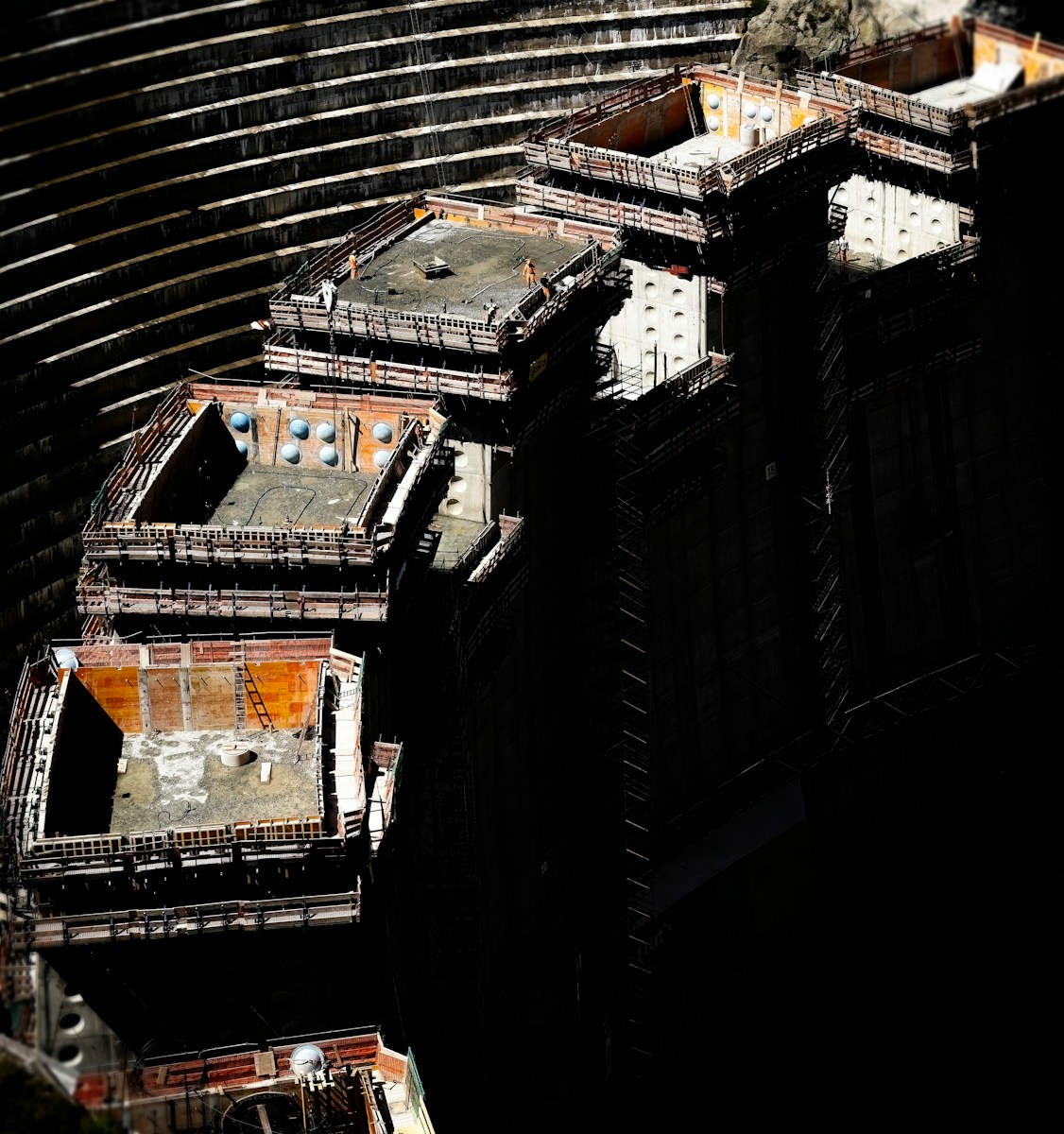
Leaching in water retaining structures
By
in EngineeringCement requires water to undergo hydration. However, after hydration is complete, excess water can dissolve the hydration products, causing leaching and weakening the structure. This issue is particularly critical for water-retaining concrete structures. For example, in dams, hydrostatic pressure and water permeability can cause the rapid leaching of these hydration products. This article examines the…
-
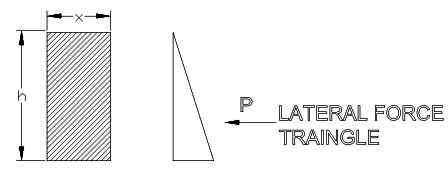
Elementary analysis for width/height ratio of retaining masonary structure
By
In masonry construction, one of the key challenges is ensuring the stability of structures against lateral forces, such as those caused by wind, water, or soil pressure. Unlike materials like steel or reinforced concrete, masonry is inherently weak in resisting tensile forces. As a result, masonry structures rely primarily on their weight to counteract these…
-
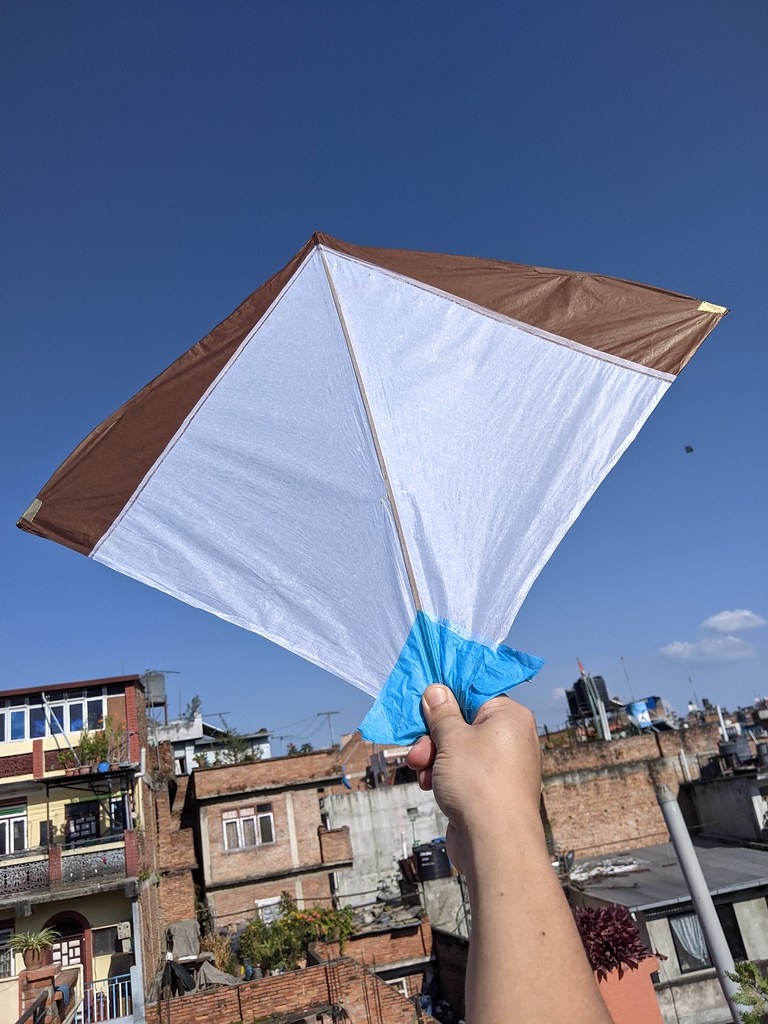
Kites in advancing science experiments
By
Kites are one of the oldest and most versatile inventions in human history, tracing their origins to ancient China around 2000 years ago. Initially a simple toy or ceremonial object, the kite evolved to play significant roles in military, meteorological, and scientific fields. Early kites were used in military applications, as tools for signalling, measuring…
-
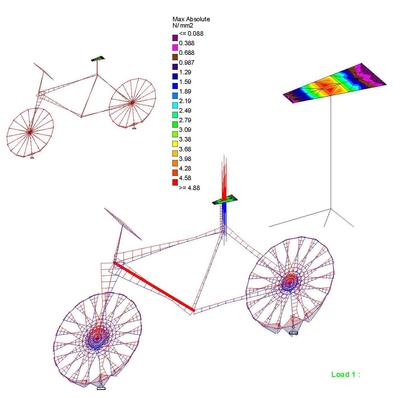
Simple analysis of stress on pelvic muscle while riding a bicycle
By
in EngineeringCycling is a popular activity that most of us have experienced at some point in our lives. However, if you’ve taken a long break from it and then hopped back on the bike, you may have noticed discomfort or even pain in the pelvic region. This is something I encountered after my recent cycling tour,…
-
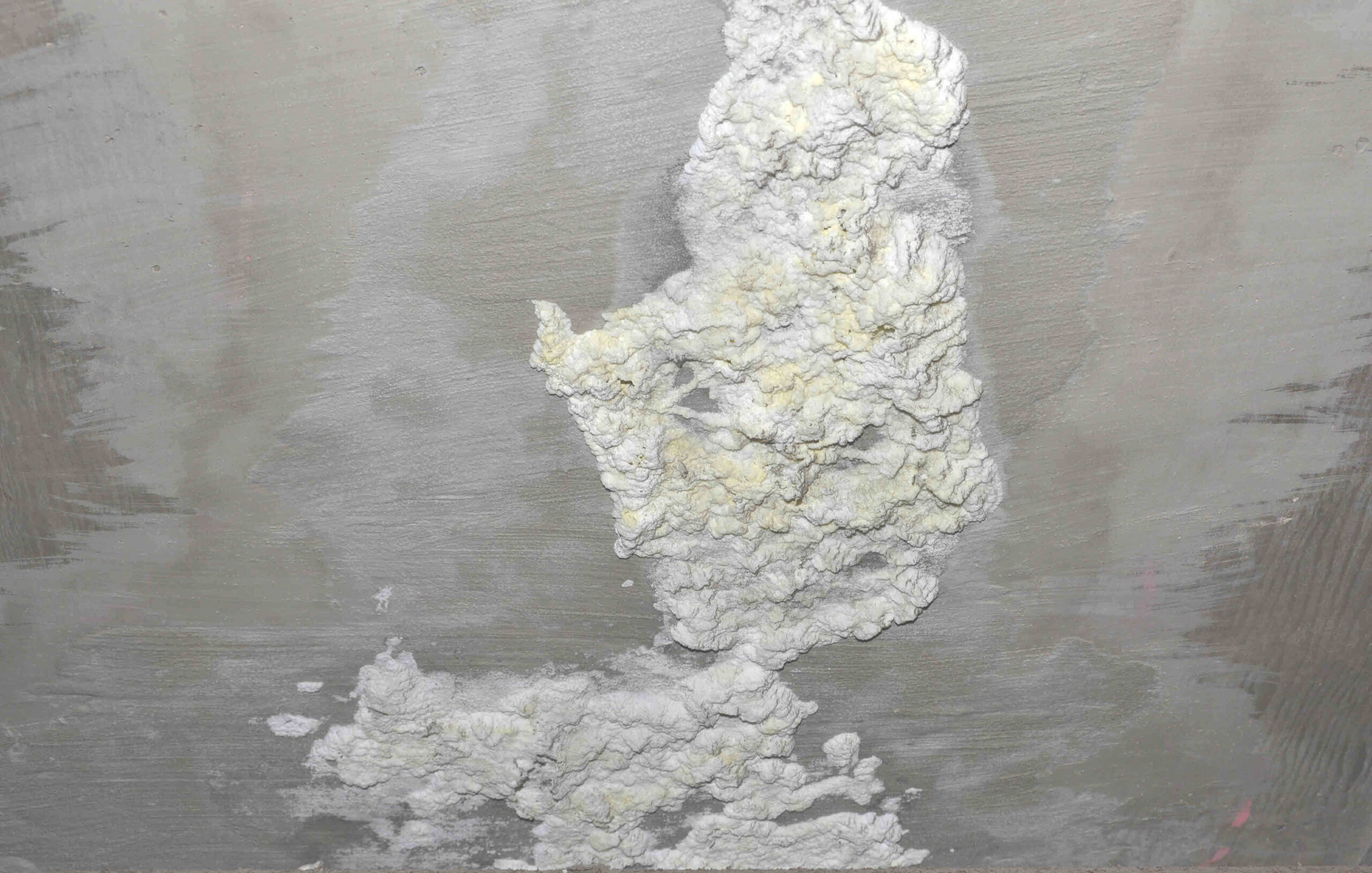
Leaching and Efflorescence of concrete
By
In structures such as dam where the flow of water via pores of concrete is high, there could be significant loss of mono-sulfate and ettringite and decalcification of calcium silicate hydrate due to leaching out of these salts to the surface and subsequently washing away. This will lead to reduction in strength of concrete and…
-
Health of reinforced concrete structure based on construction quality
By
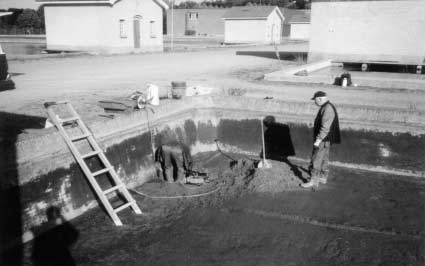
in EngineeringReinforced concrete (RC) structures exhibit significant variability during construction, primarily due to the in-situ casting process. This method introduces numerous factors that can affect quality. As Richard Feynman wisely noted, “The first principle is that you must not fool yourself—and you are the easiest person to fool.” This insight is particularly relevant in the construction…
-

Can virtual power plants optimize energy distribution?
By
Unlike traditional power plants, which are typically characterized by large physical infrastructure such as coal trains, smokestacks, and turbines, virtual power plants (VPP) rely on decentralized energy resources. These resources include rooftop solar panels, electric vehicle chargers, and smart appliances, all of which are integrated into a system that operates without a central physical facility.…