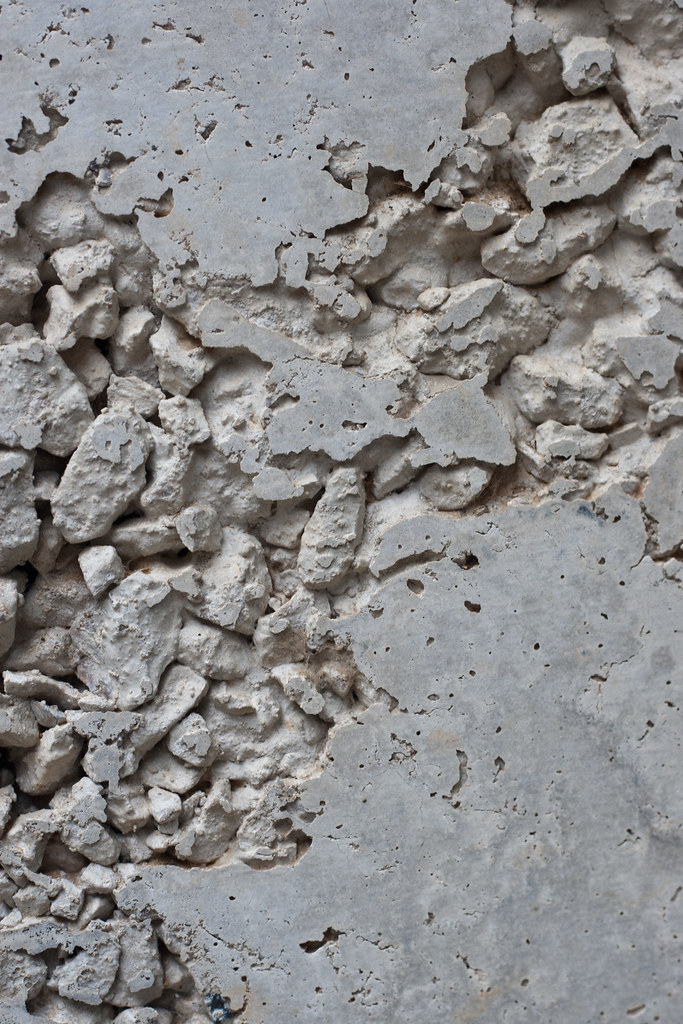


The curing of concrete is a critical process that significantly influences its strength, durability, and long-term performance. Temperature plays a vital role in the hydration process of cement, affecting the rate of strength development and the final properties of concrete. Concrete curing is the process of maintaining adequate moisture and temperature to ensure proper hydration of cement, which is essential for achieving desired strength and durability (Neville, 2011).
Optimal curing temperatures typically range between 10°C and 25°C (ACI 308, 2016). Deviations from this range can lead to delayed setting, reduced strength, or thermal cracking. This article explores the effects of temperature variations on concrete curing and suggests mitigation strategies.
Temperature dependence of the hydration process
The hydration of cement is an exothermic reaction where tricalcium silicate (C3S) and dicalcium silicate (C2S) react with water to form calcium silicate hydrate (C-S-H) and calcium hydroxide (CH) (Taylor, 1997). The reaction rate is temperature-dependent, following the Arrhenius equation, where higher temperatures accelerate hydration (Kosmatka et al., 2008).
High temperatures curing
Elevated temperatures (above 30°C) can accelerate the early strength gain of concrete, with studies showing a 50% increase in 1-day strength when cured at 40°C (Kjellsen et al., 1990). However, this comes with significant drawbacks. High temperatures lead to non-uniform hydration, resulting in a porous microstructure that reduces long-term strength by 10-15% at 28 days (Kjellsen et al., 1990) and may cause thermal cracking due to rapid heat generation and cooling (ACI 305.1, 2014). Additionally, the thermal gradients can create microcracks, increasing permeability and compromising durability (Mehta & Monteiro, 2017).
To mitigate these issues, several strategies can be employed. Cooling the mix with chilled water or ice helps control the initial temperature (ACI 305.1, 2014), while moist curing methods like wet burlap or fogging prevent rapid moisture loss (Mehta & Monteiro, 2017). Retarders can also delay setting, reducing the risk of thermal cracking (Mindess et al., 2003).
Low temperatures curing
At temperatures below 10°C, concrete hydration slows down significantly, leading to several challenges in its performance. The most immediate effect is a delayed setting time, as indicated by ASTM C403 (2016). This delay increases the risk of frost damage, as the concrete’s early strength is compromised, making it more susceptible to freezing before it gains sufficient strength (Pigeon & Pleau, 1995). Incomplete hydration under these conditions results in a weak microstructure, reducing the long-term durability of the concrete (Neville, 2011).
If concrete freezes before reaching a strength of 3.5 MPa, ice formation disrupts the cement matrix, causing permanent damage (ACI 306, 2016). To counter these issues, heated enclosures or insulating blankets are often used to maintain the temperature of the concrete (ACI 306, 2016). Additionally, accelerators such as calcium chloride (CaCl₂) can be added to speed up hydration, helping the concrete set faster (Kosmatka et al., 2008). It is also essential to maintain the concrete temperature above 5°C for at least 48 hours to ensure proper hydration and prevent freezing damage (Neville, 2011).
Durability implications
Temperature control during concrete curing plays a vital role in ensuring long-term durability. When curing temperatures are too high, the concrete may develop a coarser pore structure, which increases its vulnerability to chloride penetration. This can lead to faster corrosion of reinforcing steel, especially in marine or de-icing environments (Kjellsen et al., 1990).
Similarly, inadequate curing at low temperatures can compromise the concrete’s freeze-thaw resistance. Without proper early-age hydration, the microstructure remains weak, making the concrete more susceptible to damage from repeated freezing and thawing cycles (Pigeon & Pleau, 1995).
Moreover, high-temperature curing can increase carbonation depth, as it often results in a more porous internal structure. This allows carbon dioxide to penetrate deeper, lowering the pH and increasing the likelihood of steel corrosion (Mehta & Monteiro, 2017).
Bibliography
- ACI Committee 305. (2014). Specification for Hot Weather Concreting. American Concrete Institute.
- ACI Committee 306. (2016). Guide to Cold Weather Concreting. American Concrete Institute.
- ACI Committee 308. (2016). Guide to External Curing of Concrete. American Concrete Institute.
- ASTM C403. (2016). Standard Test Method for Time of Setting of Concrete Mixtures by Penetration Resistance. ASTM International.
- Kjellsen, K. O., Detwiler, R. J., & Gjorv, O. E. (1990). “Backscattered Electron Imaging of Cement Pastes Cured at Elevated Temperatures.” Cement and Concrete Research, 20(2), 308-312.
- Kosmatka, S. H., Kerkhoff, B., & Panarese, W. C. (2008). Design and Control of Concrete Mixtures (15th ed.). Portland Cement Association.
- Mehta, P. K., & Monteiro, P. J. M. (2017). Concrete: Microstructure, Properties, and Materials (4th ed.). McGraw-Hill.
- Mindess, S., Young, J. F., & Darwin, D. (2003). Concrete (2nd ed.). Prentice Hall.
- Neville, A. M. (2011). Properties of Concrete (5th ed.). Pearson.
- Pigeon, M., & Pleau, R. (1995). Durability of Concrete in Cold Climates. CRC Press.
- Taylor, H. F. W. (1997). Cement Chemistry (2nd ed.). Thomas Telford.